Chronic Venous Insufficiency (CVI)
Chronic Venous Insufficiency (CVI) occurs when leg veins can't effectively return blood to the heart, leading to swelling, pain, and skin changes. Without treatment, it can worsen over time.
What Are Varicose Veins?
Varicose veins are swollen, twisted veins that commonly appear on the legs and feet. They develop when the valves in your veins weaken, allowing blood to pool and veins to bulge. While often seen as a cosmetic issue, they can lead to symptoms like aching, heaviness, swelling, and even more serious vein problems if left untreated. Early evaluation and care can relieve discomfort and help prevent progression.
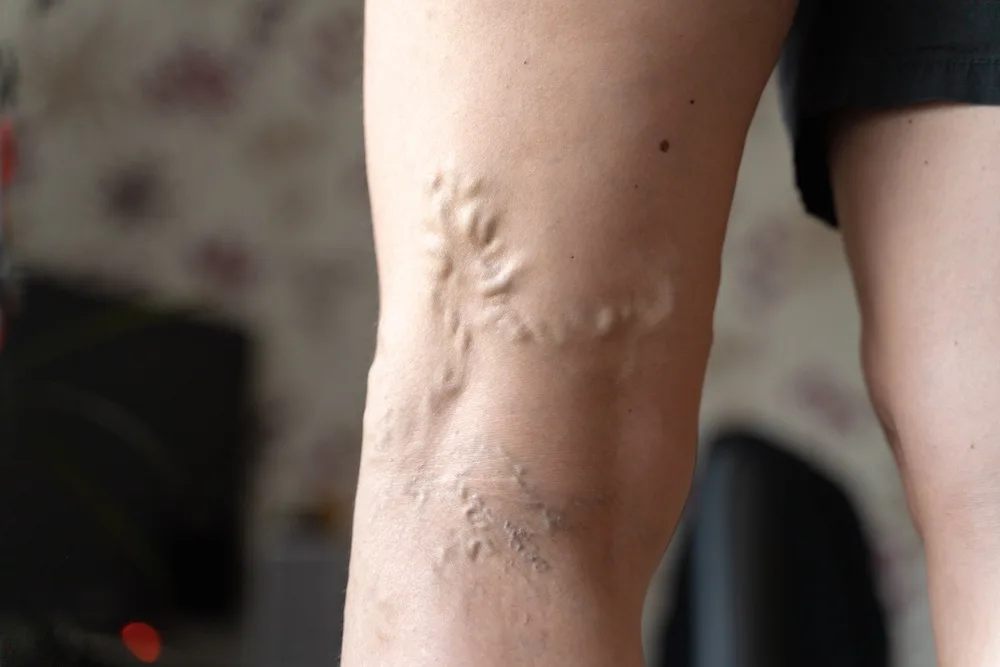
The Progression of Venous Disease
Chronic Venous Insufficiency is a progressive condition that can lead to serious complications if left untreated. Timely intervention can slow or even halt its progression—protecting your health and quality of life.
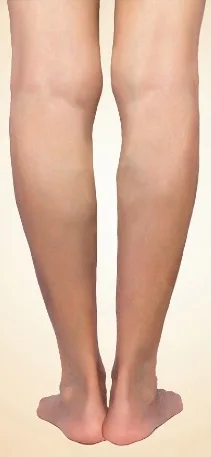
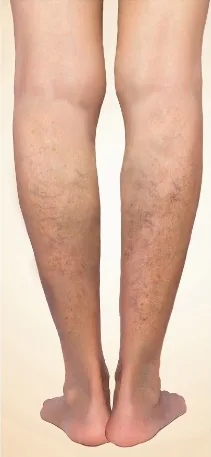
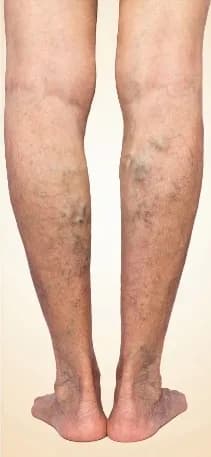
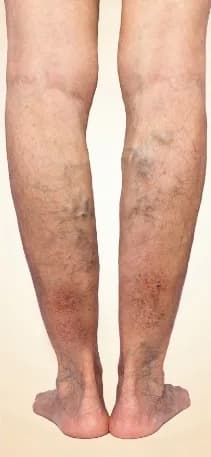
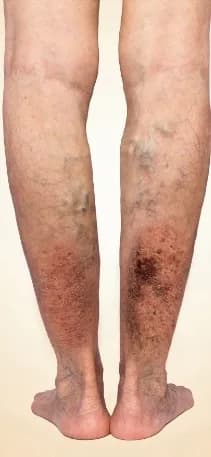
Don’t let vein disease progress. Schedule a visit with our expert team for a personalized evaluation and take the first step toward stopping venous conditions before they worsen.
What is Chronic Venous Insufficiency?
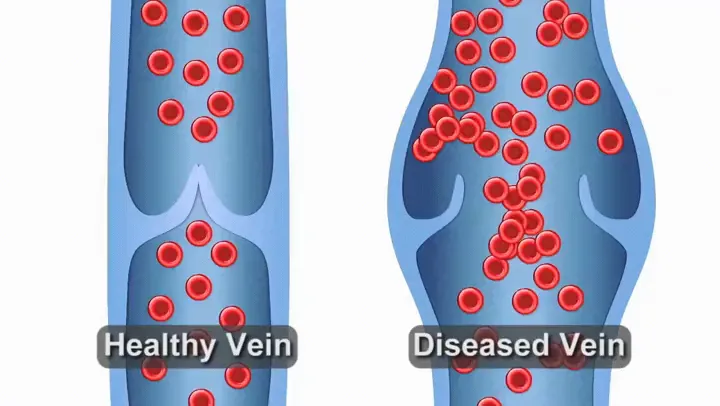
Healthy leg veins have tiny valves that keep blood flowing upward toward the heart, working against gravity. These valves open and close to maintain proper circulation and reduce pressure in the veins.
Chronic Venous Insufficiency (CVI) occurs when these valves become weak or damaged. Blood begins to pool in the legs, leading to symptoms like swelling, aching, heaviness, fatigue, and restless legs. Left untreated, the condition can worsen over time.
Over time, factors like pregnancy, aging, and prolonged standing can place stress on the venous system, weakening vein walls and valves. As this damage progresses, blood flow becomes inefficient and begins to pool in the legs. This reflux increases pressure within the veins, causing them to stretch, lose shape, and become visibly enlarged beneath the skin—often leading to varicose veins, discomfort, and other complications.
Symptoms of Vein Disease
- Fatigue
- Cramping
- Restless legs
- Varicose veins
- Itching
- Heaviness
- Open sores
- Swelling
- Aching
- Skin changes
- Numbness
- Tingling
- Wounds
Risk Factors
- Family history
- Sedentary lifestyle
- Trauma
- Prolonged standing
- Obesity
- Excess weight
- Current or previous pregnancy
- Smoking
For more information, visit the Johns Hopkins CVI resource page. To schedule your vein evaluation, contact our Marion, OH clinic.
Chronic Venous Insufficiency FAQs
What is Chronic Venous Insufficiency (CVI)?
Chronic Venous Insufficiency (CVI) occurs when leg veins can't effectively return blood to the heart, leading to swelling, pain, and skin changes. Healthy leg veins have tiny valves that keep blood flowing upward toward the heart; when these valves become weak or damaged, blood begins to pool in the legs. Without treatment, it can worsen over time.
What are varicose veins?
Varicose veins are swollen, twisted veins that commonly appear on the legs and feet. They develop when the valves in your veins weaken, allowing blood to pool and veins to bulge. While often seen as a cosmetic issue, they can lead to symptoms like aching, heaviness, swelling, and even more serious vein problems if left untreated.
What are the symptoms of vein disease?
Common symptoms include fatigue, cramping, restless legs, varicose veins, itching, heaviness, swelling, aching, skin changes, numbness, tingling, open sores, and wounds. Symptoms like swelling, aching, heaviness, and restless legs often worsen if the condition is left untreated.
What are the risk factors for vein disease?
Risk factors include family history, a sedentary lifestyle, trauma, prolonged standing, obesity, excess weight, current or previous pregnancy, and smoking.
Does vein disease get worse over time?
Chronic Venous Insufficiency is a progressive condition that can lead to serious complications if left untreated. Timely intervention can slow or even halt its progression — protecting your health and quality of life. Early intervention helps halt its progression and protects your long-term health.