Many people experience heavy legs—a heavy, tired feeling in their legs—especially toward the end of the day. This sensation can make walking uncomfortable, reduce stamina, and leave legs feeling fatigued even after rest. While leg heaviness is often dismissed as a normal part of aging or a long day on your feet, persistent symptoms may be a sign of an underlying circulation issue.
Understanding what causes heavy legs and when they should be evaluated can help patients make informed decisions about their vascular health.
What Does "Heavy Legs" Feel Like?
Heavy legs are often described as a sensation of fatigue, pressure, or fullness in the legs. Some people feel as though their legs are harder to move, especially after standing or sitting for extended periods. Others notice aching, mild discomfort, or a feeling that their tired legs need frequent rest.
These symptoms may:
- Worsen as the day goes on
- Improve temporarily with elevation
- Be more noticeable after prolonged standing or sitting
- Occur alongside swelling, aching, or visible veins
While occasional heaviness can happen to anyone, ongoing symptoms should not be ignored.
Common Causes of Heavy or Tired Legs
Several factors can contribute to the feeling of heaviness, including muscle fatigue, prolonged inactivity, or lifestyle-related strain. However, poor circulation plays an important role in how the legs feel throughout the day.
When veins are working efficiently, blood flows smoothly back toward the heart. When circulation is impaired, blood may have difficulty moving upward, leading to increased pressure in the legs. Over time, this can contribute to sensations of heaviness, fatigue, and leg discomfort.
Board-certified vascular surgeons, such as those certified by the American College of Surgeons, are specially trained to evaluate and treat circulation issues that may contribute to these symptoms.
How Circulation Issues Can Contribute to Heavy Legs
Veins rely on one-way valves to keep blood moving in the correct direction. If these valves weaken or do not function properly, blood can pool in the lower legs instead of circulating efficiently.
This increased pressure and poor circulation may cause:
- A heavy or tired feeling in the legs
- Aching or soreness after standing or sitting
- Swelling around the ankles or calves
- Symptoms that worsen later in the day
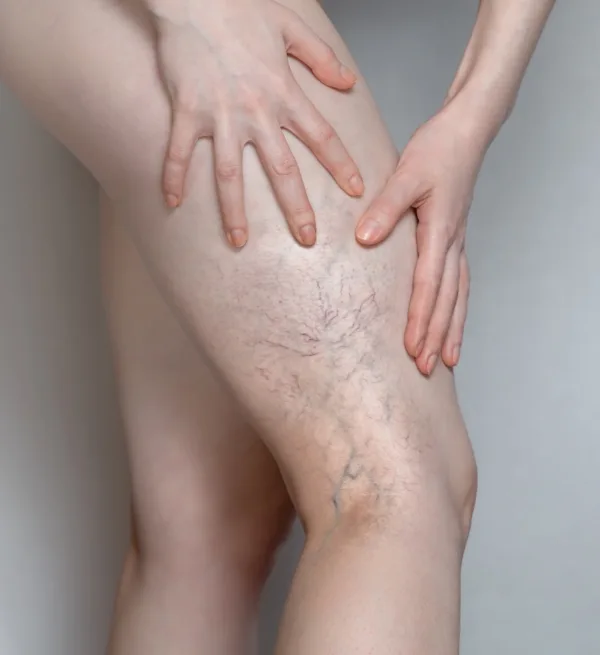
Leg heaviness is often one of the earliest signs patients notice when venous circulation is not working as well as it should.
Experiencing Heavy, Tired Legs?
If your legs frequently feel heavy or tired, a professional vascular evaluation can help identify whether circulation issues may be contributing to your symptoms.
Call us today at (740) 602-6303
When Heavy Legs Should Be Evaluated
If heavy legs are frequent, worsening, or interfering with daily activities, a professional evaluation may be appropriate. Symptoms that persist over time—especially when combined with swelling, discomfort, or skin changes—may indicate an underlying vein condition related to vein health and circulation issues.
A comprehensive vascular evaluation helps determine whether circulation issues are contributing to symptoms and provides clarity about what is happening beneath the surface.
How Symptoms Are Assessed
Evaluation typically begins with a review of symptoms and medical history, followed by ultrasound imaging arranged at a nearby facility. This allows a physician to assess blood flow and vein function and determine whether circulation issues are present.
The goal of evaluation is understanding—not immediate treatment—and helping patients make informed decisions about their care.
Schedule a Comprehensive Vascular Evaluation
If your legs frequently feel heavy or tired, a professional evaluation can help identify whether circulation issues may be contributing to your heavy legs.
Understanding the cause is the first step toward protecting long-term vein health and maintaining comfort and mobility.
Request Your Appointment
Take the first step toward understanding your vein health. Complete the form below or call us directly.
Or call us today at (740) 602-6303
Why Do Your Legs Feel Heavy? Understanding the Causes
Heavy legs are more than just a nuisance after a long day. For many people, persistent leg heaviness and fatigue can signal an underlying vein condition that deserves professional attention. Many patients are surprised to learn that this common complaint is often related to how well their veins are functioning. When blood does not flow efficiently from the legs back to the heart, pressure builds in the veins, leading to that uncomfortable, weighted-down sensation that worsens as the day progresses. Several factors can contribute to heavy legs, including prolonged sitting or standing, excess weight, hormonal changes, and a sedentary lifestyle. However, one of the most common medical causes is chronic venous insufficiency, a condition in which damaged vein valves allow blood to pool in the lower extremities. Over time, this can also lead to visible varicose veins, skin changes, and swelling. If you experience heavy legs on a regular basis, it is important to seek a professional evaluation. Dr. Subhajit Datta at Comprehensive Vein Care in Marion, Ohio has over 30 years of experience and offers thorough diagnostic assessments to identify the root cause of your symptoms; ultrasound imaging is arranged at a nearby facility and reviewed by Dr. Datta himself. Modern vein treatments are minimally invasive, require little downtime, allow patients to return to daily activities quickly, and can provide significant relief from leg discomfort and related vascular symptoms. Taking early action is key to preventing the progression of vein disease. Without treatment, vein conditions that cause heavy legs can worsen over time, potentially leading to complications such as skin discoloration, leg ulcers, and deep vein thrombosis. Learn more about vein conditions and their symptoms from Johns Hopkins Medicine, or schedule a consultation with Dr. Datta to discuss your symptoms and explore the treatment options available to you today.